
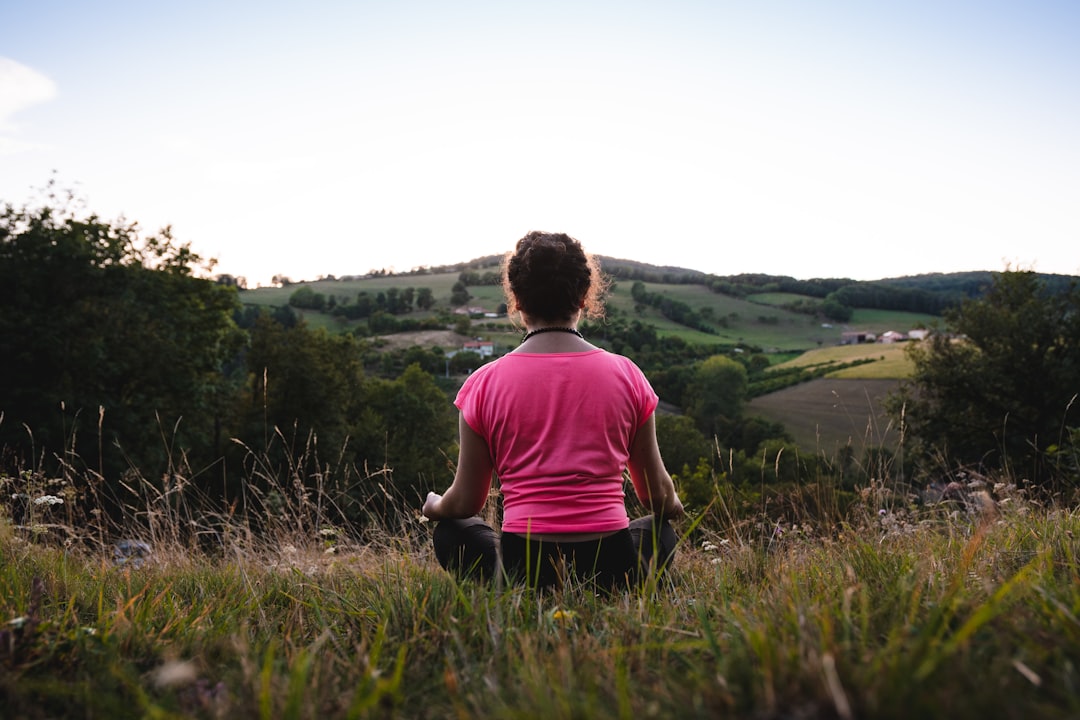
Self-care has emerged as a vital component of overall wellbeing, transcending mere indulgence to become a necessary practice for maintaining mental, emotional, and physical health. In an increasingly fast-paced world, where the demands of work, family, and social obligations can often feel overwhelming, self-care serves as a crucial counterbalance. It is not simply about pampering oneself; rather, it is about recognising one’s own needs and taking proactive steps to address them.
This recognition fosters resilience, enabling individuals to navigate life’s challenges with greater ease and grace. Moreover, self-care is intrinsically linked to the concept of self-awareness. Engaging in self-care practices encourages individuals to reflect on their feelings, thoughts, and behaviours.
This introspection can lead to a deeper understanding of personal triggers and stressors, allowing for more effective coping strategies. By prioritising self-care, individuals can cultivate a sense of agency over their lives, leading to improved mental clarity and emotional stability. The ripple effects of such practices extend beyond the individual, positively influencing relationships and communities as well.
Summary
- Self-care is essential for overall wellbeing and should be prioritised in daily life.
- Creating a personal self-care routine involves identifying activities that bring joy and relaxation.
- Essential self-care practices for mental wellbeing include mindfulness, setting boundaries, and seeking support when needed.
- Nurturing physical wellbeing through self-care involves regular exercise, healthy eating, and adequate rest.
- Self-care plays a crucial role in emotional wellbeing by promoting self-awareness, self-compassion, and stress management.
Creating a Personal Self-Care Routine
Establishing a personal self-care routine is an essential step towards enhancing one’s overall wellbeing. The first phase in this process involves identifying individual needs and preferences. This can be achieved through journaling or mindfulness exercises that encourage reflection on what activities bring joy and relaxation.
For instance, some may find solace in creative pursuits such as painting or writing, while others may prefer physical activities like yoga or running. Understanding these preferences is crucial in crafting a routine that feels authentic and sustainable. Once personal preferences are identified, the next step is to integrate these activities into a structured routine.
This could involve setting aside specific times during the week dedicated solely to self-care practices. For example, one might designate Sunday afternoons for leisurely walks in nature or Friday evenings for a relaxing bath with essential oils. The key is consistency; by treating self-care as an integral part of one’s schedule rather than an afterthought, individuals are more likely to adhere to their routines.
Essential Self-Care Practices for Mental Wellbeing

Mental wellbeing is profoundly influenced by self-care practices that promote relaxation and cognitive clarity. One of the most effective methods is mindfulness meditation, which has been shown to reduce stress and anxiety while enhancing focus and emotional regulation. Engaging in mindfulness allows individuals to cultivate a present-moment awareness that can alleviate racing thoughts and promote a sense of calm.
Even dedicating just ten minutes a day to mindfulness can yield significant benefits over time. Another essential practice for mental wellbeing is the establishment of healthy boundaries. In both personal and professional contexts, individuals often find themselves overwhelmed by the expectations of others.
Learning to say no or to delegate tasks can be liberating and is a crucial aspect of self-care. This practice not only protects one’s mental space but also fosters healthier relationships by ensuring that interactions are based on mutual respect rather than obligation. Furthermore, engaging in regular social activities with supportive friends or family can provide emotional nourishment and reinforce a sense of belonging.
Nurturing Your Physical Wellbeing through Self-Care
Physical wellbeing is an integral aspect of self-care that cannot be overlooked. Regular exercise is one of the most effective ways to enhance physical health while simultaneously boosting mental wellbeing. Engaging in physical activity releases endorphins, which are natural mood lifters.
Whether it’s a brisk walk, a dance class, or a gym session, finding an enjoyable form of exercise can transform it from a chore into a rewarding experience. Nutrition also plays a pivotal role in physical self-care. A balanced diet rich in fruits, vegetables, whole grains, and lean proteins provides the body with essential nutrients that support overall health.
Taking the time to prepare nutritious meals not only nourishes the body but also serves as an act of self-love. Additionally, staying hydrated is crucial; water intake affects energy levels and cognitive function. By prioritising these aspects of physical health, individuals can create a solid foundation for their overall wellbeing.
The Role of Self-Care in Emotional Wellbeing
Emotional wellbeing is deeply intertwined with self-care practices that foster resilience and emotional intelligence. Journaling is one such practice that allows individuals to process their feelings and experiences in a constructive manner. By putting pen to paper, one can explore complex emotions, identify patterns in behaviour, and gain insights into personal challenges.
This reflective practice can be particularly beneficial during times of stress or transition. Another vital aspect of emotional self-care is cultivating gratitude. Regularly acknowledging the positive aspects of life can shift focus away from negativity and foster a more optimistic outlook.
This can be achieved through simple practices such as maintaining a gratitude journal or sharing daily highlights with loved ones. By consciously recognising what one is thankful for, individuals can enhance their emotional resilience and create a buffer against life’s inevitable challenges.
Incorporating Self-Care into Your Daily Life
Incorporating self-care into daily life requires intentionality and commitment. One effective strategy is to start small; rather than attempting to overhaul one’s entire routine at once, individuals can introduce minor changes that gradually build up over time. For instance, setting aside just five minutes each morning for deep breathing exercises or stretching can lay the groundwork for more extensive self-care practices later on.
Creating reminders can also be beneficial in ensuring that self-care remains a priority amidst daily responsibilities. This could involve setting alarms on one’s phone or placing sticky notes in visible locations as prompts for self-care activities throughout the day. Additionally, involving friends or family members in self-care practices can enhance accountability and make the experience more enjoyable.
Whether it’s scheduling regular catch-ups or participating in group fitness classes, shared experiences can reinforce the importance of self-care within social circles.
Self-Care for Social and Spiritual Wellbeing
Social wellbeing is an often-overlooked aspect of self-care that significantly impacts overall health. Building and maintaining meaningful relationships is essential for emotional support and connection. Engaging in social activities—be it joining clubs, volunteering, or simply spending quality time with friends—can foster a sense of belonging and community.
These interactions not only provide joy but also serve as vital support systems during challenging times. Spiritual wellbeing, while deeply personal, can also be nurtured through self-care practices. This does not necessarily have to align with religious beliefs; rather, it can encompass any activity that fosters a sense of purpose or connection to something greater than oneself.
Practices such as meditation, spending time in nature, or engaging in creative expression can facilitate spiritual growth and reflection. By dedicating time to explore these dimensions of self-care, individuals can cultivate a more holistic approach to their overall wellbeing.
Tips for Sustaining a Self-Care Practice
Sustaining a self-care practice requires ongoing commitment and adaptability. One effective tip is to regularly reassess personal needs and preferences; what works at one stage of life may not be suitable at another. Periodic reflection allows individuals to adjust their routines accordingly, ensuring that self-care remains relevant and fulfilling.
Additionally, celebrating small victories can reinforce the importance of self-care in daily life. Acknowledging progress—whether it’s sticking to a new exercise routine or successfully carving out time for relaxation—can boost motivation and encourage continued engagement with self-care practices.
By embracing these principles and practices surrounding self-care, individuals can cultivate a more balanced and fulfilling life that nurtures their mental, emotional, physical, social, and spiritual wellbeing.
Self-care practices are essential for maintaining overall well-being and mental health. One related article that delves into the importance of self-care is The Face and Body Clinic. This article discusses the benefits of taking care of your skin and body through professional treatments and therapies. It highlights the positive impact that self-care can have on one’s confidence and self-esteem. Embracing self-care practices, such as those offered at The Face and Body Clinic, can help individuals feel rejuvenated and refreshed.