
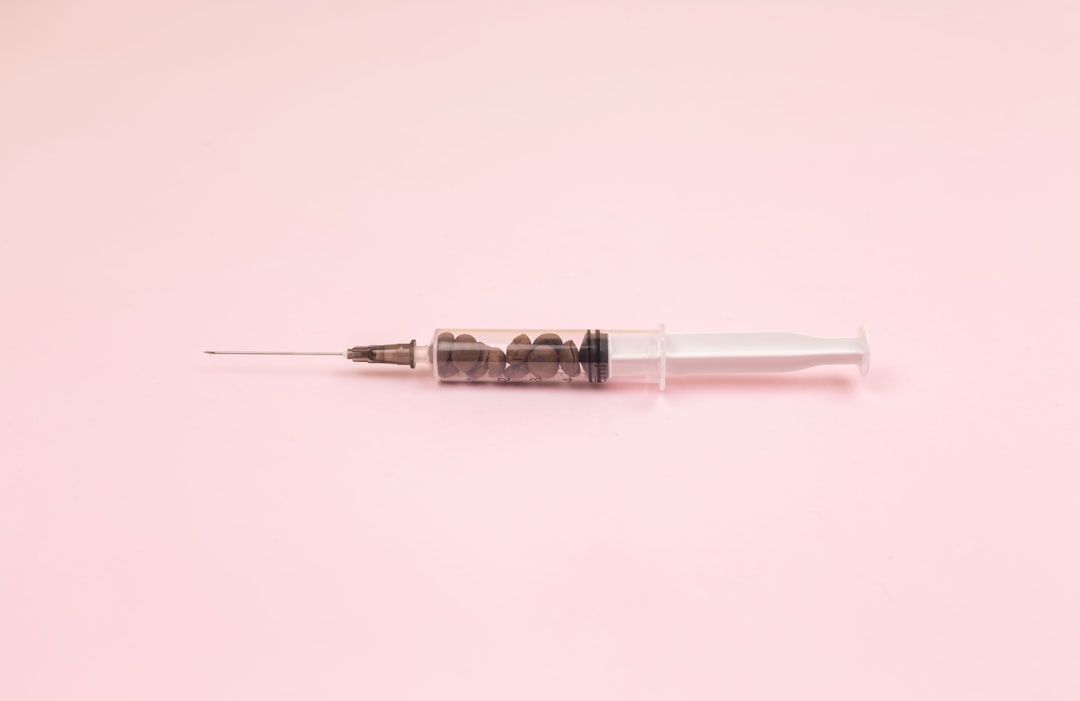
Cosmetic procedures have become increasingly prevalent in contemporary society, reflecting a growing cultural emphasis on aesthetics and personal appearance. These procedures encompass a wide range of treatments designed to enhance or alter physical features, catering to individuals seeking to improve their self-esteem or achieve a specific look. The motivations behind these choices can vary significantly, from the desire to counteract the effects of ageing to the pursuit of an idealised body image.
As societal norms evolve, so too does the acceptance of cosmetic enhancements, leading to a burgeoning industry that offers both surgical and non-surgical options. The rise of social media platforms has further accelerated this trend, with influencers and celebrities often showcasing their cosmetic transformations. This visibility has normalised the conversation around cosmetic procedures, making them more accessible and less stigmatized.
As a result, individuals are increasingly informed about their options, leading to a more discerning clientele that seeks out tailored solutions to meet their aesthetic goals. The landscape of cosmetic procedures is vast and varied, encompassing everything from minimally invasive treatments to extensive surgical interventions, each with its own set of considerations and implications.
Summary
- Cosmetic procedures are becoming increasingly popular as people seek to enhance their appearance and boost their confidence.
- Non-surgical cosmetic procedures, such as Botox and dermal fillers, offer quick and convenient solutions for reducing wrinkles and adding volume to the face.
- Surgical cosmetic procedures, like breast augmentation and liposuction, provide more permanent results but require a longer recovery time.
- The latest trends in cosmetic procedures include non-invasive body contouring and minimally invasive facelift techniques.
- When choosing a cosmetic procedure, it’s important to consider your goals, budget, and the potential risks and benefits involved.
Non-Surgical Cosmetic Procedures
Non-surgical cosmetic procedures have gained immense popularity due to their ability to deliver noticeable results with minimal downtime. These treatments often involve the use of injectables, such as Botox and dermal fillers, which can smooth out wrinkles, restore volume to the face, and enhance features like lips and cheeks. For instance, Botox works by temporarily paralyzing the muscles responsible for facial expressions, effectively reducing the appearance of fine lines and crow’s feet.
Similarly, dermal fillers can be used to add volume to areas that may have lost elasticity over time, providing a youthful appearance without the need for invasive surgery. Another popular category of non-surgical procedures includes skin rejuvenation treatments such as chemical peels, microdermabrasion, and laser therapy. These methods aim to improve skin texture and tone by removing dead skin cells or stimulating collagen production.
For example, chemical peels utilise acids to exfoliate the skin, revealing a fresher layer underneath and addressing issues like pigmentation and acne scars. Laser treatments can target specific concerns such as sun damage or vascular lesions, offering precise results with minimal discomfort. The appeal of these non-invasive options lies in their ability to provide significant improvements with little to no recovery time, allowing individuals to return to their daily routines almost immediately.
Surgical Cosmetic Procedures

In contrast to non-surgical options, surgical cosmetic procedures involve more extensive interventions that typically require anaesthesia and a longer recovery period. These procedures can range from breast augmentations and facelifts to rhinoplasties and liposuction. Surgical enhancements often yield more dramatic results compared to their non-surgical counterparts, making them an attractive choice for individuals seeking significant changes in their appearance.
The Latest Trends in Cosmetic Procedures
The field of cosmetic procedures is continually evolving, with new techniques and technologies emerging regularly. One notable trend is the increasing popularity of “tweakments,” which refer to subtle enhancements that aim for a natural look rather than dramatic changes. This approach resonates with many individuals who prefer a more understated aesthetic while still addressing specific concerns.
Treatments like micro-injections of Botox or hyaluronic acid fillers are often used in small amounts to achieve a refreshed appearance without looking overdone. Another significant trend is the rise of personalised cosmetic treatments tailored to individual needs and preferences. Advances in technology have enabled practitioners to utilise 3D imaging and virtual simulations to help clients visualise potential outcomes before undergoing procedures.
This level of customization allows for a more collaborative approach between practitioners and clients, ensuring that expectations align with achievable results. Additionally, there is a growing emphasis on holistic beauty, where practitioners consider factors such as lifestyle, nutrition, and mental well-being as integral components of aesthetic enhancement.
Choosing the Right Cosmetic Procedure for You
Selecting the appropriate cosmetic procedure requires careful consideration of various factors, including personal goals, budget constraints, and lifestyle implications. It is essential for individuals to reflect on what they hope to achieve through the procedure—whether it is enhancing self-confidence, addressing specific imperfections, or simply exploring new aesthetic possibilities. Understanding one’s motivations can help guide the decision-making process and ensure that expectations are realistic.
Consultation with qualified professionals is a critical step in this journey. A reputable practitioner will conduct a thorough assessment of an individual’s unique features and discuss potential options that align with their goals. During this consultation, it is vital for clients to ask questions about the procedure’s details, including expected outcomes, recovery times, and any associated risks.
Understanding the Risks and Benefits of Cosmetic Procedures
Every cosmetic procedure carries its own set of risks and benefits that must be carefully weighed before proceeding. Non-surgical treatments generally present fewer risks compared to surgical options; however, they are not without potential side effects such as bruising, swelling, or allergic reactions. For instance, while Botox is widely regarded as safe when administered by qualified professionals, there is still a possibility of complications if not performed correctly.
Surgical procedures tend to involve more significant risks due to their invasive nature. Complications can include adverse reactions to anaesthesia, prolonged recovery times, scarring, or dissatisfaction with the results. It is crucial for individuals considering surgery to have a comprehensive understanding of these risks and engage in open discussions with their surgeons about how they will be managed.
On the other hand, the benefits of cosmetic procedures can be substantial; many individuals report increased self-esteem and improved quality of life following successful treatments.
Finding a Qualified Cosmetic Surgeon or Practitioner
The importance of selecting a qualified cosmetic surgeon or practitioner cannot be overstated. Individuals should seek out professionals who are board-certified and have extensive experience in performing the specific procedure they are considering. Researching credentials and reading reviews from previous patients can provide valuable insights into a practitioner’s expertise and reputation within the field.
This allows them to gauge comfort levels with each professional’s approach and communication style. During these consultations, individuals should inquire about the practitioner’s training, experience with similar cases, and their approach to patient care.
A trustworthy practitioner will prioritise patient safety and satisfaction while providing clear information about what to expect throughout the process.
Aftercare and Maintenance for Cosmetic Procedures
Aftercare plays a crucial role in ensuring optimal results following any cosmetic procedure. For non-surgical treatments like fillers or Botox, practitioners often provide specific aftercare instructions that may include avoiding strenuous exercise or exposure to extreme temperatures for a short period post-treatment. Adhering to these guidelines can help minimise side effects such as swelling or bruising while promoting faster recovery.
For surgical procedures, aftercare becomes even more critical as patients navigate longer recovery periods. This may involve managing pain through prescribed medications, attending follow-up appointments for monitoring healing progress, and adhering to activity restrictions during the initial recovery phase. Additionally, maintaining results often requires ongoing maintenance treatments; for example, Botox typically needs to be reapplied every three to six months for continued effectiveness.
In conclusion, navigating the world of cosmetic procedures involves understanding various options available—both surgical and non-surgical—while considering personal goals and potential risks involved. With advancements in technology and techniques continually shaping this industry, individuals are empowered to make informed decisions that align with their aesthetic aspirations while prioritising safety and satisfaction throughout their journey.
If you are considering cosmetic procedures, you may also be interested in reading about the services offered by The Makeup Directory in N2 0JZ. This beauty directory provides information on various makeup artists and beauty professionals in the area, including Newtownabbey. Additionally, you can explore the work of Laura Clare Makeup Artistry for inspiration and ideas on enhancing your natural beauty.