
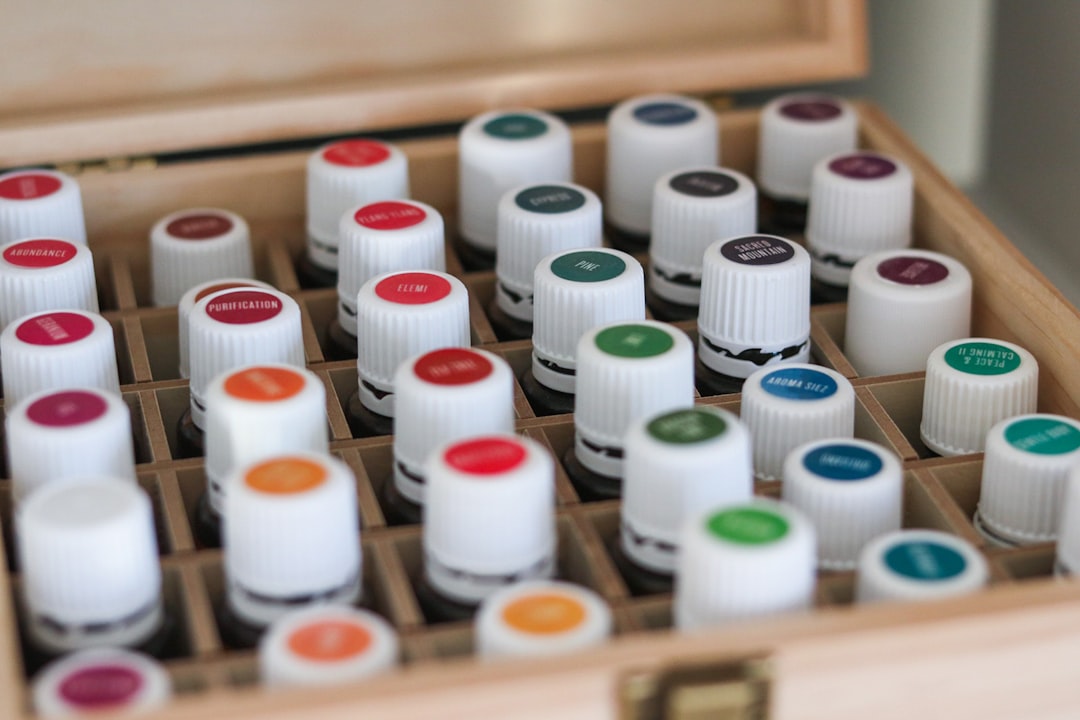
Aromatherapy, the practice of using essential oils extracted from plants for therapeutic purposes, has roots that stretch back thousands of years. Ancient civilisations, including the Egyptians, Greeks, and Romans, recognised the power of aromatic plants and their oils. The Egyptians, for instance, utilised essential oils in their embalming processes and religious rituals.
Frankincense and myrrh were particularly prized, often used in temples and during ceremonies to invoke a sense of spirituality and connection to the divine. The Greeks further advanced the use of aromatics, with philosophers like Hippocrates advocating for their medicinal properties.
He is often referred to as the father of medicine and promoted the use of aromatic plants for healing purposes. The Greeks also introduced the concept of massage with essential oils, which was believed to enhance physical and mental well-being. As the Roman Empire expanded, so did the knowledge of aromatherapy, with soldiers and traders bringing back exotic oils from distant lands.
This exchange of knowledge and resources laid the groundwork for what would eventually evolve into modern aromatherapy practices.
Summary
- Aromatherapy has been used for thousands of years, with evidence of its use in ancient civilizations such as Egypt, China, and India.
- The science behind aromatherapy lies in the ability of essential oils to stimulate the olfactory system and affect the brain, leading to relaxation and stress relief.
- Essential oils like lavender, chamomile, and bergamot have therapeutic benefits for relaxation, helping to reduce anxiety and promote better sleep.
- Creating the perfect aromatherapy environment involves using diffusers, candles, and soothing music to set the mood for relaxation.
- Aromatherapy techniques such as diffusing, massage, and bathing can be incorporated into daily routines to relieve stress and promote relaxation.
Understanding the Science Behind Aromatherapy and its Relaxing Effects
The science behind aromatherapy is rooted in the olfactory system, which is intricately linked to our emotions and memories. When essential oils are inhaled, they interact with the olfactory receptors in the nasal cavity, sending signals directly to the brain’s limbic system. This area is responsible for regulating emotions, behaviour, and even physiological responses.
For instance, the scent of lavender has been shown to reduce anxiety levels and promote relaxation by influencing brain activity. Research has demonstrated that certain essential oils can lower cortisol levels, a hormone associated with stress. A study published in the Journal of Alternative and Complementary Medicine found that participants who inhaled lavender oil experienced a significant reduction in cortisol levels compared to those who did not.
This physiological response underscores the potential of aromatherapy as a complementary approach to managing stress and anxiety. Furthermore, the calming effects of essential oils can also lead to improved sleep quality, as they help to create a serene environment conducive to rest.
Essential Oils and Their Therapeutic Benefits for Relaxation

Essential oils are the cornerstone of aromatherapy, each possessing unique properties that can aid in relaxation and stress relief. Lavender oil is perhaps the most well-known for its calming effects; it has been extensively studied for its ability to reduce anxiety and promote restful sleep. Its floral scent is often associated with tranquillity, making it a popular choice for diffusers and sleep sprays.
Another essential oil renowned for its relaxing properties is chamomile. Often consumed as a tea, chamomile oil can also be used in aromatherapy to alleviate tension and promote a sense of calm. Its sweet, apple-like fragrance has been shown to reduce feelings of anxiety and improve overall mood.
Similarly, bergamot oil, derived from the rind of bergamot oranges, is celebrated for its uplifting yet calming effects. Research indicates that bergamot can help lower stress levels while simultaneously enhancing mood, making it an excellent choice for those seeking emotional balance.
Creating the Perfect Aromatherapy Environment: Tips for Setting the Mood
To fully harness the benefits of aromatherapy, it is essential to create an environment that promotes relaxation. The first step is to choose a space that feels comfortable and inviting. This could be a quiet corner of your home or a dedicated relaxation room.
Soft lighting can significantly enhance the atmosphere; consider using candles or dimmable lamps to create a warm glow that soothes the senses. In addition to lighting, consider incorporating elements that engage other senses. Soft music or nature sounds can complement the aromatic experience, helping to drown out distractions and create a peaceful ambiance.
The choice of essential oils should also reflect your desired mood; for instance, citrus scents like lemon or orange can invigorate while floral scents like jasmine or rose can calm. Using a diffuser allows you to disperse these scents throughout your space effectively, ensuring that you are enveloped in their therapeutic properties.
Aromatherapy Techniques for Relaxation: Diffusing, Massage, and Bathing
There are several techniques for incorporating aromatherapy into your relaxation routine, each offering unique benefits. Diffusing essential oils is one of the most popular methods; it involves dispersing the oils into the air using a diffuser device.
Massage is another effective technique that combines touch with aromatherapy. By diluting essential oils in a carrier oil such as sweet almond or jojoba oil, you can create a soothing massage blend that not only relaxes tense muscles but also allows for the absorption of beneficial compounds through the skin. This method can be particularly effective for alleviating stress-related tension in areas such as the neck and shoulders.
Bathing with essential oils is yet another way to unwind after a long day. Adding a few drops of your chosen essential oil to a warm bath can transform an ordinary bathing experience into a luxurious retreat. Oils like eucalyptus or peppermint can invigorate while lavender or ylang-ylang can promote deep relaxation.
To ensure safety, it is advisable to mix essential oils with a carrier such as milk or Epsom salts before adding them to your bathwater.
Incorporating Aromatherapy into Your Daily Routine for Stress Relief
Morning Boost
One simple way to do this is by using essential oils during your morning rituals. For instance, diffusing uplifting scents like grapefruit or peppermint whilst preparing breakfast can set a positive tone for the day ahead.
Stress Relief on the Go
Throughout your day, consider keeping a small bottle of essential oil on hand for quick stress relief during challenging moments. Inhaling deeply from the bottle or applying a diluted blend to pulse points can provide immediate comfort when faced with anxiety-inducing situations.
Winding Down
Additionally, incorporating aromatherapy into your evening routine can signal your body that it is time to wind down; using calming scents during your pre-sleep rituals can help prepare your mind for rest.
Aromatherapy for Specific Relaxation Needs: Sleep, Anxiety, and Mood Enhancement
Aromatherapy can be tailored to address specific relaxation needs such as sleep disturbances, anxiety management, and mood enhancement. For those struggling with insomnia or restless nights, essential oils like lavender and cedarwood are particularly effective. Studies have shown that inhaling these scents before bedtime can improve sleep quality and reduce nighttime awakenings.
Anxiety is another area where aromatherapy shines; oils such as frankincense and vetiver have been found to have grounding properties that help alleviate feelings of unease. Incorporating these oils into your daily routine through diffusion or topical application can create a sense of calm amidst chaos. For mood enhancement, citrus oils like lemon and orange are excellent choices; their bright scents can uplift spirits and energise the mind.
Precautions and Considerations for Safe and Effective Aromatherapy Practices
While aromatherapy offers numerous benefits, it is crucial to approach its use with caution and awareness. Essential oils are potent substances that should be used judiciously; always dilute them with a carrier oil before applying them directly to the skin to avoid irritation or allergic reactions. Conducting a patch test on a small area of skin prior to widespread use is advisable.
Additionally, certain essential oils may not be suitable for everyone; pregnant women, individuals with specific health conditions, or those taking certain medications should consult with a healthcare professional before using essential oils. It is also important to source high-quality essential oils from reputable suppliers to ensure purity and efficacy. By taking these precautions into account, you can safely enjoy the myriad benefits that aromatherapy has to offer while minimising potential risks associated with its use.
Aromatherapy has been gaining popularity in recent years for its therapeutic benefits. According to a recent article from The Makeup Directory, incorporating essential oils into beauty treatments can help reduce stress, improve mood, and promote relaxation. The article highlights the use of aromatherapy in aesthetic beauty clinics, such as the one located in WV1 3NU and HU10 7UX. These clinics offer a range of treatments that harness the power of essential oils to enhance overall well-being and rejuvenate the mind and body.