
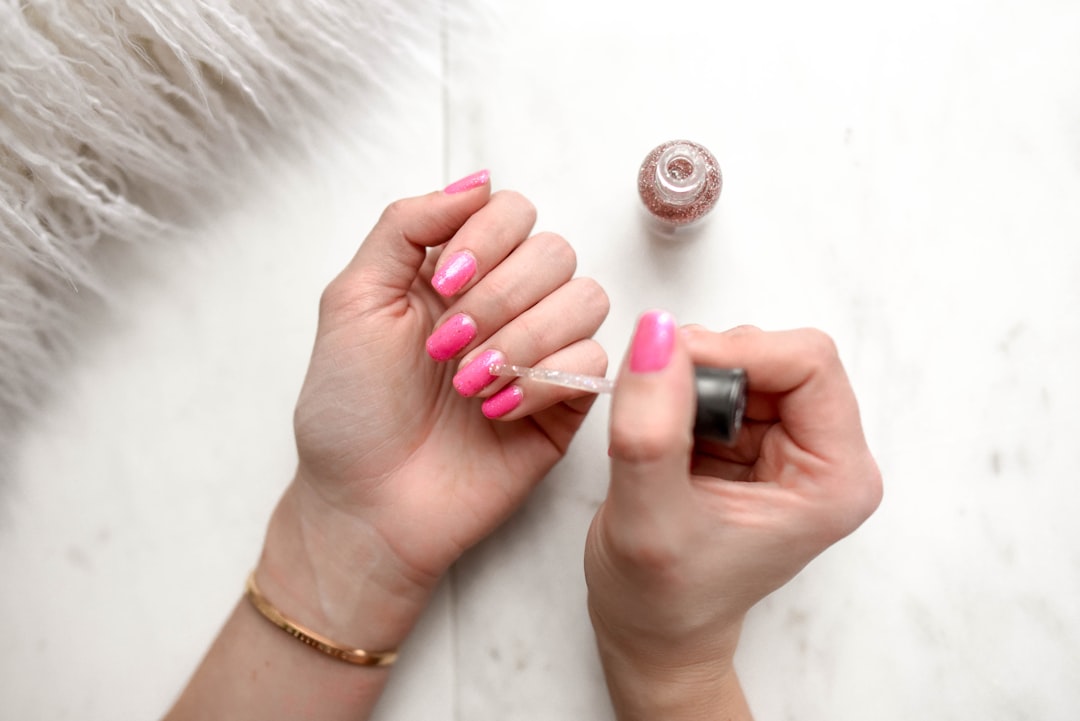
The foundation of any successful manicure begins with proper nail preparation. This crucial step not only enhances the appearance of your nails but also ensures that your polish adheres effectively and lasts longer. Start by removing any old nail polish using a non-acetone remover, which is gentler on the nails and cuticles.
Once the old polish is gone, wash your hands thoroughly to eliminate any residue from the remover. This cleansing process is essential as it prepares the nail surface for the application of new products. After washing, it’s time to assess the condition of your nails and cuticles.
If your nails are long, consider trimming them to your desired length.
When filing, always move in one direction rather than back and forth to prevent splitting.
Next, focus on your cuticles. Soaking your fingers in warm, soapy water for a few minutes softens the cuticles, making them easier to push back gently with a cuticle pusher. This not only creates a neat appearance but also prevents hangnails and other issues that can arise from neglected cuticles.
Summary
- Always start by cleaning and shaping your nails before applying any nail products
- Consider your natural nail shape and lifestyle when choosing the right nail shape
- Use a base coat, apply thin layers of polish, and finish with a top coat for a professional-looking manicure
- Keep your manicure looking fresh by touching up any chips and moisturising your cuticles regularly
- Maintain healthy nails by keeping them clean, moisturised, and avoiding harsh chemicals and excessive filing
Choosing the Right Nail Shape
Selecting the right nail shape is a pivotal aspect of achieving a polished look. The shape of your nails can dramatically influence the overall aesthetic of your hands and can even complement your personal style. There are several popular shapes to consider, including square, round, oval, almond, and stiletto.
Each shape has its unique characteristics and can suit different hand types and lifestyles. For instance, square nails are known for their bold and modern appearance, making them a popular choice among those who prefer a more edgy look. They work particularly well for individuals with longer fingers, as they can create an elongated effect.
On the other hand, round nails are softer and more classic, ideal for those who prefer a low-maintenance style. They are less prone to chipping and breaking, making them suitable for individuals with active lifestyles. Oval and almond shapes offer a balance between elegance and practicality, providing a feminine touch while still being functional.
Ultimately, the choice of nail shape should reflect not only personal preference but also the natural shape of your fingers and lifestyle considerations.
Applying Nail Polish Like a Pro

Once your nails are prepped and shaped, it’s time to apply nail polish with precision and finesse. The key to achieving a professional-looking manicure lies in the application technique. Begin by applying a base coat; this step is often overlooked but is essential for protecting your nails from staining and ensuring that your polish adheres properly.
Choose a base coat that suits your needs—some are designed to strengthen nails, while others may provide a smoothing effect. When it comes to applying the colour polish, start by shaking the bottle gently to mix the formula without creating bubbles. Dip the brush into the polish and wipe one side against the rim of the bottle to remove excess product.
Begin at the centre of the nail, applying the polish in three strokes: one down the middle and one on each side. This technique helps to distribute the polish evenly and prevents flooding the cuticles. Allow each coat to dry before applying a second layer for opacity; two thin coats are preferable to one thick coat, as they dry faster and are less likely to chip.
Finally, seal your manicure with a top coat to add shine and longevity.
Maintaining Your Manicure
Maintaining your manicure is essential for keeping your nails looking fresh and polished for as long as possible. After completing your manicure, it’s advisable to avoid activities that may cause chips or damage to your nails for at least an hour. This includes washing dishes or using harsh cleaning products without gloves.
To prolong the life of your manicure, consider applying a top coat every few days; this not only enhances shine but also provides an additional layer of protection against wear. In addition to regular touch-ups, proper hydration plays a significant role in maintaining your manicure. Applying cuticle oil daily helps keep both your cuticles and nails moisturised, preventing dryness and brittleness that can lead to chipping or breaking.
Furthermore, be mindful of your diet; consuming foods rich in vitamins and minerals—such as biotin, zinc, and omega-3 fatty acids—can promote healthy nail growth and strength. Regularly scheduled maintenance appointments at a salon can also help keep your nails in top condition, allowing for professional touch-ups or complete manicures as needed.
Nail Care Tips for Healthy Nails
Healthy nails are not just about aesthetics; they reflect overall health and well-being. To ensure that your nails remain strong and vibrant, it’s important to adopt a comprehensive nail care routine. One fundamental aspect is hydration; just as skin requires moisture, so do nails.
Incorporating a high-quality hand cream into your daily routine can significantly improve nail health by preventing dryness and brittleness. Another critical factor is nutrition. A balanced diet rich in vitamins A, C, D, E, and B-complex vitamins is essential for maintaining healthy nails.
Foods such as leafy greens, nuts, seeds, fish, eggs, and whole grains provide the necessary nutrients that support nail strength and growth. Additionally, staying hydrated by drinking plenty of water is vital; dehydration can lead to weak and brittle nails that are more prone to breakage. Regularly trimming your nails is also beneficial; this practice prevents them from becoming too long or uneven, which can lead to snags or breaks.
When trimming or filing, always use clean tools to avoid introducing bacteria that could lead to infections. Lastly, be cautious with nail enhancements such as acrylics or gels; while they can provide beautiful results, overuse can weaken natural nails if not applied or removed properly.
Nail Art and Designs
Nail art has evolved into a popular form of self-expression, allowing individuals to showcase their creativity through intricate designs and patterns on their nails. From simple polka dots to elaborate floral designs or geometric patterns, the possibilities are virtually endless. The first step in creating stunning nail art is selecting the right tools; dotting tools, striping brushes, sponges, and nail tape can all be used to achieve various effects.
One popular technique is the ombre effect, which involves blending two or more colours seamlessly on the nail surface. To achieve this look, start with a base coat of your chosen colour and allow it to dry completely. Then use a makeup sponge to dab on the second colour at the tips of your nails, gradually blending it down towards the base for a gradient effect.
Another trendy design is negative space art, where parts of the natural nail are left unpolished to create striking contrasts with bold colours or patterns. For those who prefer more intricate designs but lack artistic skills, nail stickers or decals offer an easy solution. These pre-designed elements can be applied directly onto polished nails for an instant upgrade without requiring advanced techniques.
Additionally, investing in quality nail art supplies can make all the difference; high-quality polishes often have better pigmentation and consistency, making them easier to work with when creating detailed designs.
Troubleshooting Common Nail Problems
Despite our best efforts in nail care and maintenance, various issues can arise that may affect the health and appearance of our nails. One common problem is brittleness; weak nails can break easily due to environmental factors or improper care. To combat this issue, consider incorporating strengthening treatments into your routine—look for polishes containing keratin or calcium that can help fortify weak nails.
Another frequent concern is discolouration; nails may become yellowed or stained due to prolonged exposure to certain polishes or smoking habits. To address this issue, regular exfoliation of the nail surface can help remove discolouration caused by polish stains. A gentle scrub made from baking soda mixed with water can effectively brighten yellowed nails when used periodically.
Hangnails are another nuisance that many people experience; these small pieces of torn skin around the nail bed can be painful if not addressed promptly. To prevent hangnails from forming, keep your cuticles moisturised with cuticle oil and avoid biting or picking at them. If you do develop a hangnail, carefully trim it with clean scissors rather than pulling it off to avoid further tearing or infection.
Professional Manicure Techniques
For those seeking an elevated experience beyond at-home manicures, professional salons offer a range of techniques that can enhance both the appearance and health of your nails. One popular method is gel manicures; these involve applying a special gel polish that is cured under UV light for a long-lasting finish that resists chipping for weeks at a time. Gel manicures provide a glossy look that many find appealing but require careful removal processes to avoid damaging natural nails.
Another professional technique gaining popularity is dip powder manicures; this method involves dipping each nail into coloured powder followed by an activator that hardens the product instantly without needing UV light. Dip powder manicures are known for their durability and vibrant colour options but may require specific aftercare practices to maintain nail health. Additionally, many salons offer specialised treatments such as paraffin wax dips or hot oil manicures that provide deep hydration for dry hands and nails.
These treatments not only enhance relaxation but also improve overall nail health by nourishing both skin and cuticles. In conclusion, whether you choose to pamper yourself at home or indulge in professional services at a salon, understanding proper techniques for preparing your nails, selecting shapes, applying polish effectively, maintaining manicures, caring for overall nail health, exploring creative designs through nail art, troubleshooting common issues, and utilising professional techniques will empower you to achieve beautiful nails that reflect your personal style while promoting their health.
If you’re looking to take your manicure to the next level, why not consider trying out some nail art designs? The Makeup Directory has a great article on