
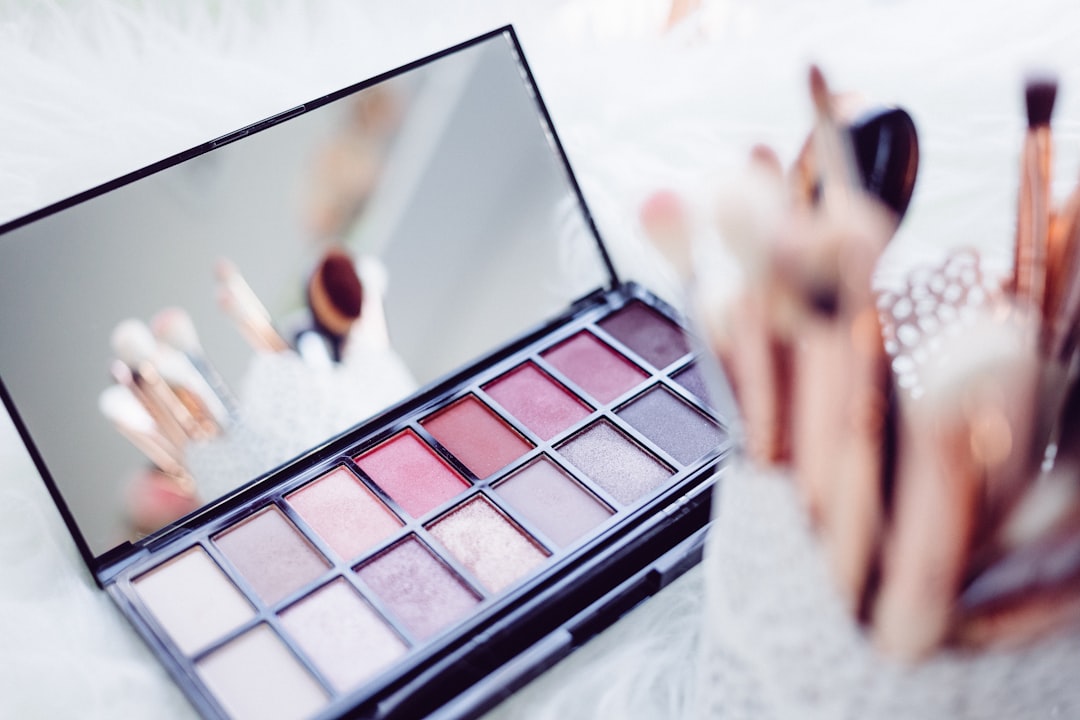
Makeup application is an art form that has been practised for centuries, evolving through various cultures and trends. At its core, the process involves enhancing one’s natural beauty while allowing for personal expression. The first step in any makeup routine is to prepare the skin.
This involves cleansing, toning, and moisturising to create a smooth canvas. A well-prepped face not only allows makeup to adhere better but also ensures that it looks fresh and vibrant throughout the day. The importance of skincare cannot be overstated; it is the foundation upon which all makeup is built.
Once the skin is adequately prepared, the next step is to apply primer. This product acts as a barrier between the skin and makeup, filling in pores and fine lines, which helps to create an even surface. Primers come in various formulations, including mattifying, hydrating, and illuminating, catering to different skin needs.
After applying primer, the makeup application can begin in earnest, with products layered in a way that enhances the natural features of the face. Understanding the order of application—starting with liquid products like foundation and moving to powders—can significantly impact the final look.
Summary
- Blend foundation, concealer, and powder seamlessly for a flawless base.
- Choose makeup shades that complement your skin tone and type for a natural look.
- Contour and highlight to enhance facial features and create dimension.
- Experiment with different eyeshadow, blush, and lipstick colours to add vibrancy to your look.
- Practice different makeup techniques like smokey eyes and winged liner for versatile looks.
Understanding Different Skin Tones and Types
Understanding one’s skin tone and type is crucial for selecting the right makeup products. Skin tones can generally be categorised into three main categories: warm, cool, and neutral. Warm tones typically have a golden or yellow undertone, while cool tones exhibit pink or blue undertones.
Neutral tones are a blend of both warm and cool hues. Identifying your skin tone can help in choosing the right foundation shade, as well as complementary colours for eyeshadow and lipstick. In addition to skin tone, it is essential to consider skin type when selecting makeup products.
Skin types are generally classified as oily, dry, combination, or sensitive. Oily skin may benefit from matte foundations and oil-free products to control shine, while dry skin often requires hydrating formulas that provide moisture throughout the day. Combination skin presents its own challenges, necessitating a balance between products that cater to both oily and dry areas.
Sensitive skin types should opt for hypoallergenic and fragrance-free products to avoid irritation. By understanding these nuances, individuals can make informed choices that enhance their natural beauty without compromising skin health.
Creating a Flawless Base: Foundation, Concealer, and Powder

Achieving a flawless base is often considered the cornerstone of any makeup look. Foundation serves as the primary product for evening out skin tone and providing coverage for imperfections. There are various types of foundations available, including liquid, cream, powder, and stick formulations.
Liquid foundations are versatile and can offer sheer to full coverage depending on how they are applied. Cream foundations tend to provide a more dewy finish, while powder foundations are ideal for those seeking a lightweight feel. Concealer plays a pivotal role in perfecting the base by targeting specific areas that require additional coverage, such as dark circles under the eyes or blemishes on the skin.
It is essential to choose a concealer that is one or two shades lighter than your foundation for under-eye areas to brighten and lift the face. For blemishes or redness, a concealer that matches your foundation shade will provide seamless coverage. After applying foundation and concealer, setting the base with powder is crucial to ensure longevity.
Translucent powders can help to mattify the skin without adding extra colour, while tinted powders can provide additional coverage.
Enhancing Features: Contouring and Highlighting
Contouring and highlighting are techniques used to sculpt the face and enhance its natural features. Contouring involves using a product that is a few shades darker than your foundation to create shadows on the face, giving the illusion of more defined cheekbones and a slimmer nose. The most common areas to contour include the hollows of the cheeks, along the jawline, and on either side of the nose.
Cream contours are often favoured for their blendability, while powder contours can provide a more matte finish. Highlighting complements contouring by bringing attention to specific areas of the face where light naturally hits. Highlighters come in various forms—liquid, cream, or powder—and can be applied to the high points of the face such as the tops of the cheekbones, brow bones, and down the bridge of the nose.
The key to effective highlighting is to choose a shade that complements your skin tone; for instance, champagne tones work well on warm skin tones while icy shades suit cooler complexions. When done correctly, contouring and highlighting can transform an everyday makeup look into something truly spectacular.
The Power of Colour: Eyeshadow, Blush, and Lipstick
Colour plays an integral role in makeup application, allowing individuals to express their personality and mood through their looks. Eyeshadow is one of the most versatile products available; it can be used to create everything from subtle daytime looks to bold evening glamour. The choice of eyeshadow colours should complement not only one’s outfit but also eye colour and skin tone.
For example, warm-toned eyeshadows like golds and bronzes can enhance blue eyes, while purples and greens can make brown eyes pop. Blush adds a healthy flush of colour to the cheeks and can dramatically alter one’s appearance. It is essential to choose a blush shade that complements both your skin tone and overall makeup look.
Cream blushes provide a natural finish and are ideal for dry skin types, while powder blushes offer more longevity for oily skin types. The placement of blush also matters; applying it higher on the cheekbones can create a lifted effect. Lipstick is perhaps one of the most transformative makeup products available.
From classic reds to soft nudes, lipstick can define an entire look. The choice of lipstick should consider not only personal preference but also factors such as occasion and outfit colour scheme. Matte lipsticks offer long-lasting wear but may be drying on the lips; therefore, it’s advisable to prep lips with a balm beforehand.
Glossy finishes can add dimension but may require more frequent touch-ups throughout the day.
Mastering Different Makeup Techniques: Smokey Eyes, Winged Liner, and Bold Lips
Makeup techniques vary widely in complexity and style, with some looks becoming iconic in their own right. The smokey eye is a classic technique that involves blending dark eyeshadow around the eyelids to create depth and drama. This look can be achieved using various colour palettes; traditional black or grey shades offer a sultry effect while incorporating colours like deep plum or navy can add a modern twist.
The key to mastering a smokey eye lies in blending; harsh lines should be softened for a seamless transition between colours. Winged eyeliner is another technique that has stood the test of time. It involves extending eyeliner beyond the outer corner of the eye to create an upward flick that enhances eye shape.
Achieving a perfect wing requires practice; using tape or stencils can help beginners create symmetry. Liquid eyeliners provide precision but may be challenging for those new to makeup; gel liners offer more control while still delivering bold results. Bold lips are an excellent way to make a statement without overwhelming other features of the face.
When opting for bold lip colours such as deep reds or vibrant pinks, it’s essential to keep the rest of the makeup relatively understated to maintain balance. A well-defined lip line enhances precision; using a lip liner that matches your lipstick shade can prevent feathering and ensure longevity.
Tools of the Trade: Brushes, Sponges, and Applicators
The right tools can significantly impact makeup application results. Brushes are essential for achieving various techniques; they come in different shapes and sizes tailored for specific tasks such as blending eyeshadow or applying foundation. For instance, a flat foundation brush provides coverage in hard-to-reach areas while a fluffy brush is ideal for blending out eyeshadow seamlessly.
Sponges have gained popularity in recent years due to their ability to create an airbrushed finish when applying liquid products like foundation or concealer. The dampened sponge technique allows for buildable coverage without caking on product. Additionally, there are specialised applicators designed for specific tasks; for example, silicone applicators can help apply glitter or shimmer products without fallout.
Maintaining these tools is equally important; regular cleaning prevents bacteria build-up and ensures optimal performance. Using gentle cleansers specifically designed for makeup brushes will prolong their lifespan while ensuring they remain effective.
Tips for Long-lasting and Waterproof Makeup
To ensure that makeup lasts throughout the day without fading or smudging, several strategies can be employed. One fundamental tip is to use setting sprays or powders after completing your makeup routine; these products lock everything in place while providing a barrier against environmental factors such as humidity or sweat. For those who require extra durability—especially during special occasions or hot weather—waterproof formulas are invaluable.
Waterproof mascara and eyeliner resist smudging even in challenging conditions such as tears or rain. However, it’s essential to use appropriate removers designed for waterproof products to avoid damaging lashes or irritating sensitive skin. Another effective method for long-lasting wear is layering products strategically; for instance, applying cream blush before powder blush can enhance staying power by creating a base layer that adheres better to the skin.
Additionally, touching up throughout the day with blotting papers can help control shine without adding extra layers of product that may lead to cakiness. By understanding these fundamental aspects of makeup application—from creating a flawless base to mastering advanced techniques—individuals can elevate their skills and express their unique beauty with confidence.
If you are looking for a talented makeup artist in the HU5 4DL area, look no further than The Makeup Directory. They have a comprehensive list of makeup artists who can help you achieve the perfect look for any occasion. Additionally, if you are interested in nail services, check out H J Nails for top-notch nail care. And for those in search of the number one makeup artist in town, look no further than Number 1.
FAQs
What does a makeup artist do?
A makeup artist is a professional who uses cosmetics and prosthetics to enhance or alter a person’s appearance. They work in various settings such as film, television, fashion, and special events.
What skills are required to become a makeup artist?
To become a successful makeup artist, one needs to have a strong understanding of different skin types, facial features, and makeup techniques. Additionally, good communication skills, creativity, and attention to detail are essential.
What qualifications are needed to become a makeup artist?
There are no specific qualifications required to become a makeup artist, but many professionals complete a makeup artistry course or obtain a relevant qualification from a beauty school. Some also pursue additional certifications to specialize in areas such as special effects makeup or bridal makeup.
What are the career prospects for makeup artists?
Makeup artists can work in a variety of industries, including film, television, fashion, and retail. They may also have the opportunity to work as freelancers, building their own client base and portfolio. With experience, makeup artists can progress to more senior roles or even start their own makeup businesses.
What are the key responsibilities of a makeup artist?
The key responsibilities of a makeup artist include consulting with clients to understand their needs, selecting and applying appropriate makeup products, and ensuring that the client’s desired look is achieved. They may also be responsible for maintaining hygiene and cleanliness of their tools and work area.